Vendor Selection, AI Recept
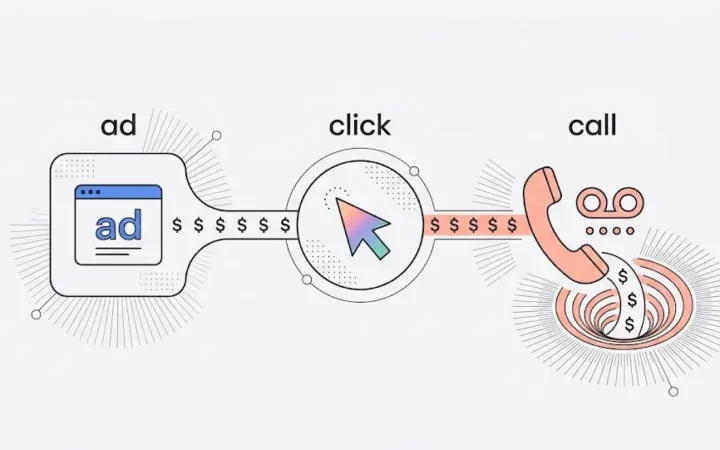
Most dental groups spend heavily to acquire patients they already have. The marketing budget goes to ads, lead-gen platforms, and new-patient promotions — chasing strangers — while the most valuable list in the building sits untouched in the practice management system: the patients who already chose you, already have a chart, and are simply overdue. They’re not leads. They’re lapsed revenue. And learning how to reactivate dental patients you already have is far cheaper and far more profitable than buying a stranger’s attention.
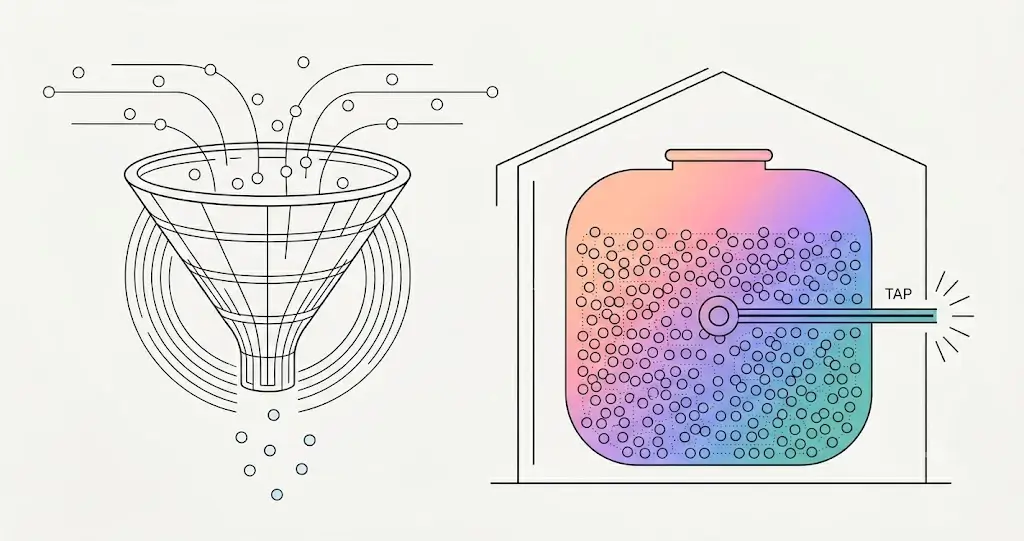
This is the most overlooked source of near-term production in a dental group. Not a campaign, not a new channel — the database you already own, worked properly.
The economics are not close
A purchased lead is a stranger who has to be convinced your practice exists, is trustworthy, and is worth a first visit — and most purchased leads never convert at all. An overdue patient in your own database has already cleared every one of those hurdles. They’ve been to your office, they have a relationship, their chart and insurance are on file. The cost to reach them is a message, not a media buy. The conversion rate is a different universe.
So the question isn’t whether reactivation beats lead-buying on return — it obviously does. The question is why so much of the database goes unworked. And the answer is almost always the same: working it by hand doesn’t scale, so it doesn’t get done.
Why the database goes unmined
Reactivation is exactly the kind of work that dies in a busy front desk. It’s important but never urgent, so it loses every day to the ringing phone and the patient at the counter. Pulling a list of overdue patients, figuring out who’s worth calling, and actually making the calls is a project nobody has time to start. So the list grows, the patients drift further away, and eventually they’re someone else’s new patient.
There’s also a depth problem. Most reactivation efforts, when they happen at all, chase overdue hygiene — the cleanings. But the bigger money is in unscheduled treatment: the diagnosed crown that never got booked, the pending implant, the treatment plan that was presented and then quietly abandoned. Those patients aren’t just overdue for a checkup; they have known, diagnosed, high-value work sitting unscheduled in their chart. A hygiene reminder doesn’t surface them.
How to reactivate dental patients the right way
Working the database properly means doing, at scale and automatically, what a tireless and well-organized team would do if they had infinite time:
Find the high-value work, not just the cleanings. Scan charts for unscheduled treatment — pending crowns, implants, abandoned treatment plans — and target those patients specifically, because that’s where the production is. This only works when the system that does outreach can actually see the clinical chart — which is the whole point of a shared intelligence rather than a standalone recall tool. When recall, clinical notes, and scheduling all run on one brain, an unscheduled crown in the chart can surface as an outreach task on its own; a disconnected texting tool never sees it. Recovering a diagnosed crown is worth many cleanings, especially when the follow-up uses a clear treatment plan with a “cost of delay” view that reminds the patient why the work mattered.
Reach out the way that actually converts. Text reminders are easy to ignore. The reactivation that works combines channels — and, for high-value cases, places real outbound voice calls that can handle the patient’s objection and book the appointment in the same conversation, rather than hoping they tap a link.
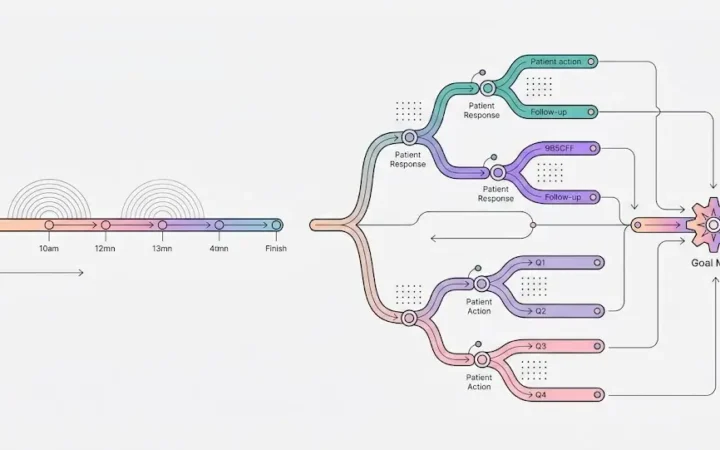
Do it continuously, not as a once-a-quarter project. The database doesn’t go overdue all at once; it goes overdue continuously. Reactivation has to be an always-on process that catches patients as they lapse, not a heroic cleanup someone attempts when the schedule looks thin.
Done this way, the overdue database stops being a guilt-inducing backlog and becomes a renewable source of booked production — one that fills chairs from patients who already trust you, at a fraction of the cost of acquiring someone new.
Why this compounds for a DSO
Every location in a group is sitting on its own unmined database, and at most of them the reactivation work isn’t happening for the same reason it isn’t happening anywhere — no one has time. Across a group, that’s a large, recurring pool of recoverable production going untouched, location by location, month after month. A regional manager can even watch it work across every office from the mobile app, rather than hoping each location runs its own recall.
Standardizing reactivation across the group — so every location’s overdue treatment is being worked continuously and automatically, not just the locations with a spare-time office manager — turns a scattered, inconsistent effort into a dependable production line. And because these are existing patients with existing charts, the production shows up fast. It isn’t creating demand; it’s collecting demand that already exists and was being left on the table. That’s the kind of leverage a unified system is built to capture and a pile of point tools isn’t.
Look in the building before you buy the ad
None of this argues against marketing. New patients matter. But a group spending to acquire strangers while its own diagnosed, unscheduled treatment sits unworked has its priorities inverted — paying premium prices for cold demand while warm demand expires in the database. Before the next lead-gen invoice, the more profitable question is: how much booked production is already sitting in our own charts, and what would it take to actually work it? For most groups, the answer to the first half is “more than you think,” and the answer to the second half is “less than another quarter of ad spend.”
Frequently Asked Questions
How do you reactivate dental patients who have gone overdue?
Target the high-value work in your own database — diagnosed but unscheduled treatment like crowns and implants, not just overdue cleanings — and reach those patients through combined channels, including real outbound voice calls for high-value cases that handle objections and book in the same conversation, run continuously so patients are caught as they lapse.
Why is reactivating overdue patients more profitable than buying leads?
Because overdue patients have already cleared the hurdles a purchased lead hasn’t — they know your practice, have a relationship, and have a chart and insurance on file. Reaching them costs a message, not a media buy, and they convert at far higher rates than cold leads.
What’s the difference between mining for hygiene and mining for treatment?
Most reactivation chases overdue cleanings (hygiene). The bigger return is unscheduled treatment — diagnosed crowns, pending implants, abandoned treatment plans — high-value work already in the chart. A hygiene reminder doesn’t surface those patients; targeted treatment mining does.
Why don’t practices work their own database?
Because reactivation is important but never urgent, so it loses daily to the ringing phone and the patient at the counter. Pulling lists and making calls by hand doesn’t scale, so the work doesn’t get done and the database drifts further overdue.
Why is this especially valuable for a dental group?
Every location sits on its own unmined database, and the work usually isn’t happening anywhere for lack of time. Standardizing continuous reactivation across all locations turns a scattered effort into a dependable production line — and because these are existing patients, the production shows up quickly.
Work the database you already own. See how ELVA surfaces unscheduled treatment and turns it into booked production with AI treatment plans.
ionist, Data Security, RingScore, AI Brain