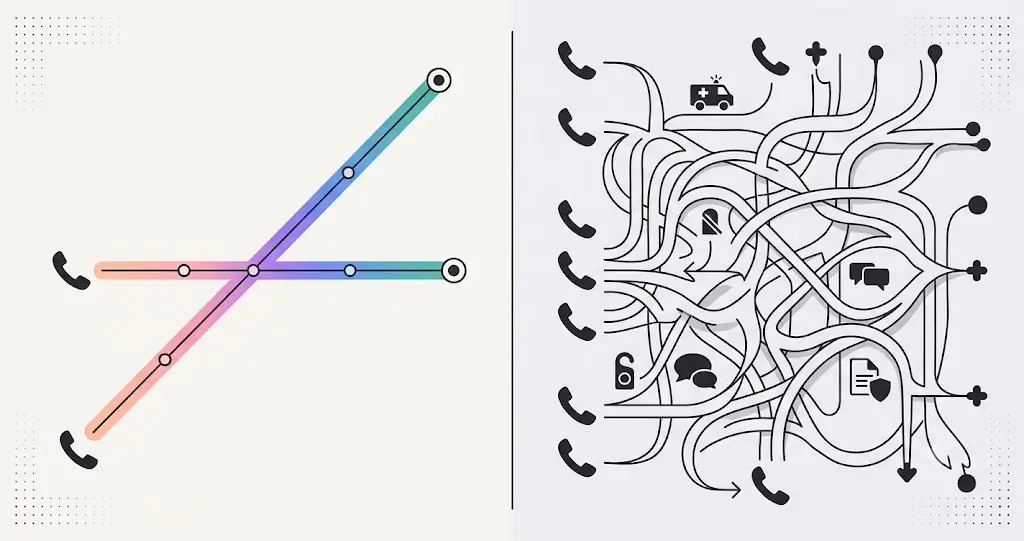
The stakes also compound in a group. A single practice that buys on a curated demo is making one under-informed bet. A DSO making the same decision is multiplying that bet across every location, every shift, every patient — and inheriting the same blind spot at scale.
How to test an AI receptionist on the calls the vendor didn’t choose
The fix isn’t to distrust demos. It’s to insist on seeing the other calls — the messy, adversarial, edge-case calls — before you trust a system with patients. Specifically, you want evidence on the moments that demos skip:
- Does it recognize a genuine emergency and escalate, or book the next slot?
- Does it hold the line on medical advice, or start diagnosing?
- Does it protect patient information instead of repeating it back?
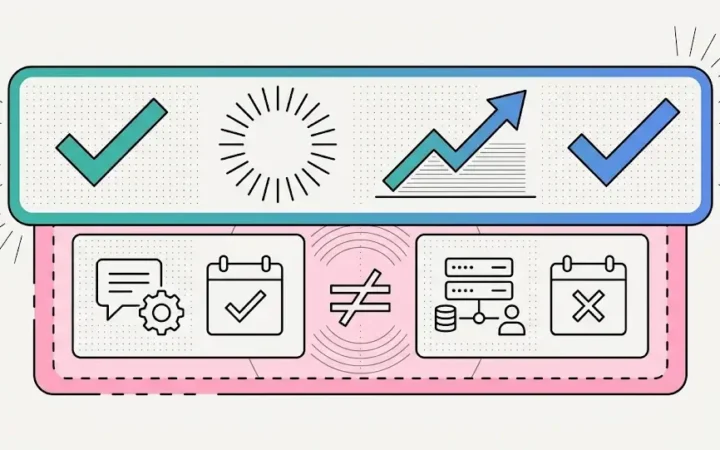
- Did the appointment actually get created, or did the bot just say so?
- Does it hand off to a human at the right moment?
- What does it do when the caller is rude, manipulative, or fishing for something unsafe?
If a vendor can’t show you those calls with evidence, you are not evaluating the product. You are evaluating the demo team.
Turning the hidden calls into evidence
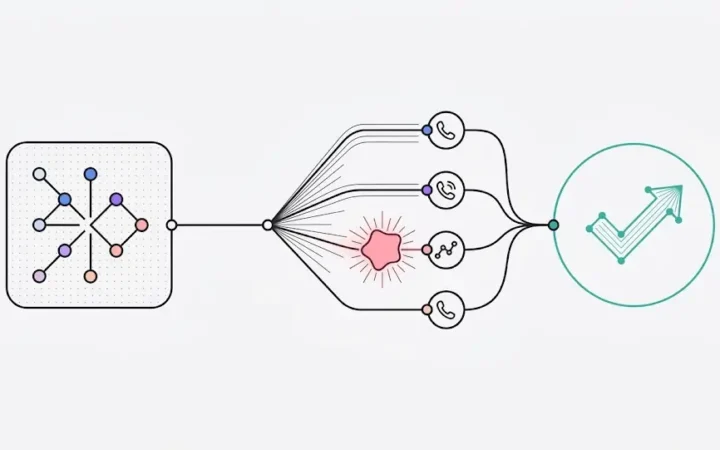
This is the gap RingScore was built to close. Instead of relying on the calls a vendor chose, it places the calls they wouldn’t — realistic emergencies, adversarial callers, insurance edge cases, multi-location routing — and returns a readiness verdict anchored to transcripts, with optional verification of whether bookings actually landed in the practice management system. It works with any vendor’s AI receptionist, including ELVA’s own.
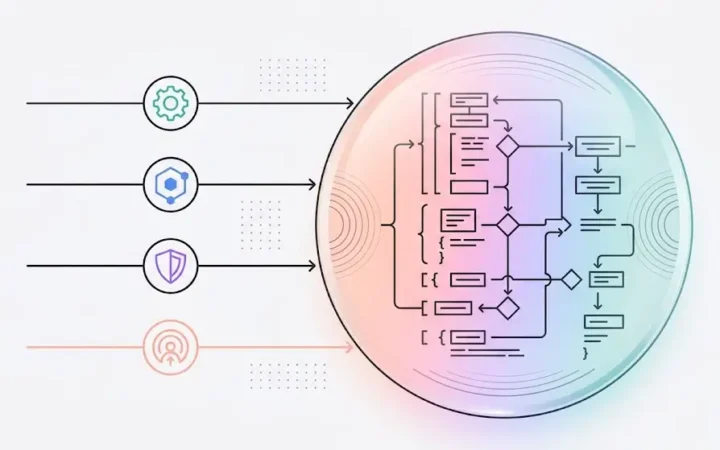
And because the evaluation engine is open source, you can see exactly which hard calls are being tested and how they’re scored. The curated demo shows you the vendor’s best moment. A real evaluation shows you the moments the vendor would rather you didn’t see — which, conveniently, are the only moments that tell you whether the system can be trusted.
Before the next demo
The next time a dental AI vendor walks you through a flawless booking, ask the question the demo is designed to prevent: show me the calls you didn’t choose. If they can, you’ve found a vendor confident in their product. If they can’t, you’ve learned something the demo was built to hide. For groups standardizing across locations, that confidence matters even more — it’s worth weighing alongside how ELVA approaches DSOs and group practices before you roll anything out at scale.
Frequently Asked Questions
What is the curated-demo problem?
It’s the gap between the calls a dental AI vendor shows in a demo — calm patients, simple requests, clean insurance — and the messy, high-stakes calls the system actually handles in production. Because demos are sales tools, they showcase best-case calls and omit the edge cases where trust and revenue are won or lost.
How do you test an AI receptionist beyond the demo?
You evaluate it on realistic edge cases — emergencies, adversarial callers, insurance changes, multi-location routing — with transcript-anchored evidence, rather than trusting the vendor’s chosen calls. Tools like RingScore place these calls and can verify whether bookings actually appeared in the practice management system.
Why is a curated demo especially risky for an AI receptionist?
Because the failure modes are live patient calls. Unlike most software, you can’t safely trial the rough edges yourself — by the time you discover a mishandled emergency or a failed booking, a real patient has already experienced it.
What should I ask a vendor during a demo?
Ask to see the hard calls: emergency triage, medical-advice boundaries, PHI handling, failed-booking verification, escalation, and adversarial callers. A vendor confident in their product can show these; a vendor relying on demo polish usually can’t.
Does this mean demos are useless?
No — demos show whether a system can handle the easy path, which matters. The point is that the easy path isn’t sufficient evidence. You need the curated-out calls too before trusting a system with patients.
See the calls vendors don’t demo. RingScore shows you how to test an AI receptionist on realistic edge cases, with transcript-anchored evidence. Request access at ringscore.ai.