
DSO
DSO
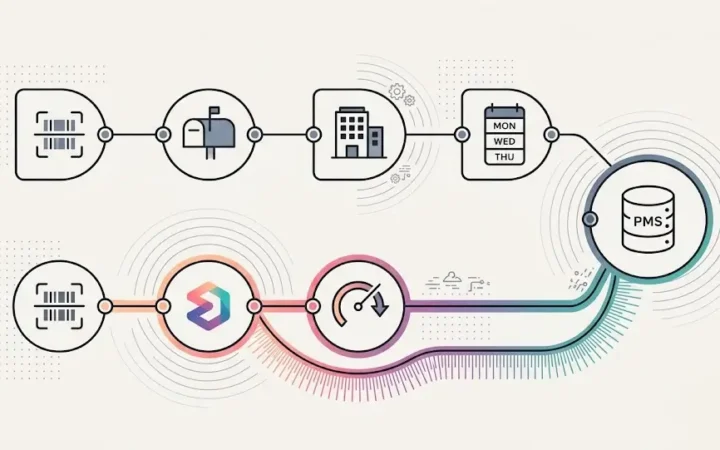
Your EOBs Leave the Building to Get Posted. They Shouldn’t.
The scan-and-send posting model exports your latency, your costs, and your visibility along with the labor. Here's how dental payment posting automation collapses it to one in-house step — documents read, reconciled against expected amounts, and posted the same day, with denials surfaced on day zero.
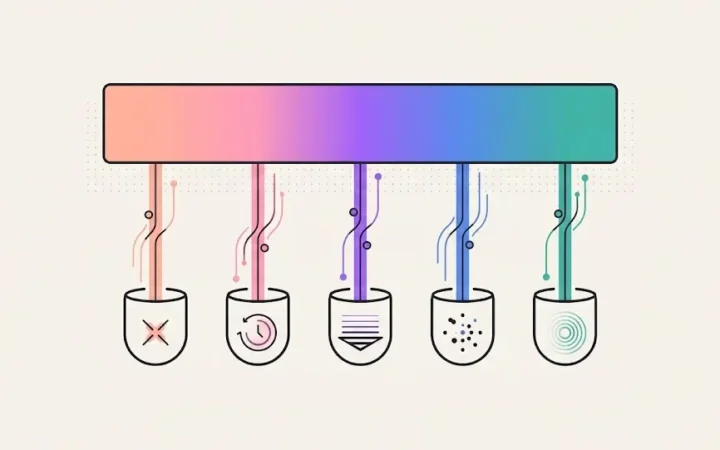
Your Collections Look Fine. Your Practices Are Still Leaking Revenue
Collections look fine until you see the leak underneath: denials around 15% and rising, appeal windows expiring inside unposted remittance piles, underpayments that look "paid," and payer knowledge living in a few heads. Here's where dental revenue leakage hides — and what closes it.
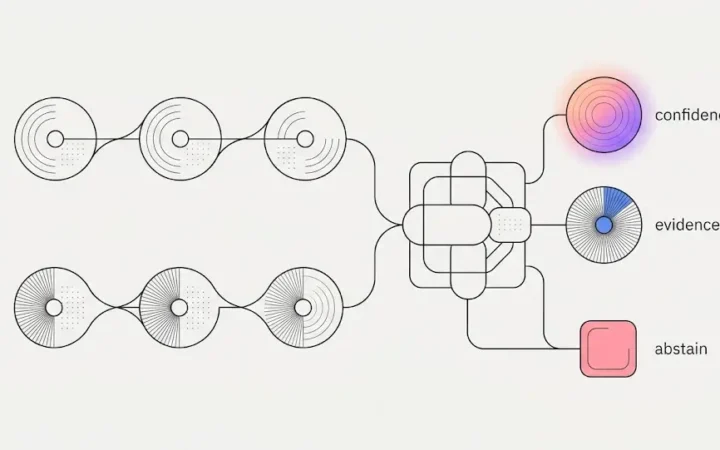
The Most Valuable Answer in Dental RCM Is “I Don’t Know”
Coverage determination isn't a model call — it's a data problem with two competing sources of truth and an obligation to be honest about uncertainty. Inside ELVA's RCM engine: derived payer-behavior rules, a judge that reviews every extracted rule, and a decision engine that abstains rather than guesses.
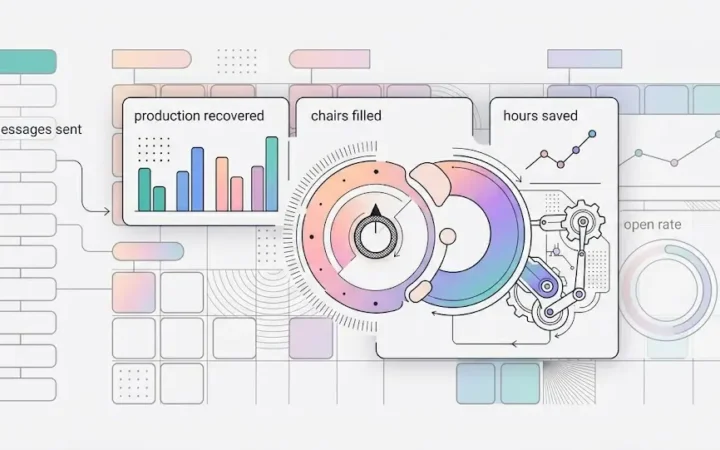
Your Recall Report Counts Texts Sent. It Should Count Dollars.
Most recall reports count messages sent, delivered, and opened — the tool's activity, not your result. See how outcome-based dental recall reporting measures the only numbers an owner repeats to their accountant: production recovered, chairs filled, lifetime value reactivated, and staff hours saved.
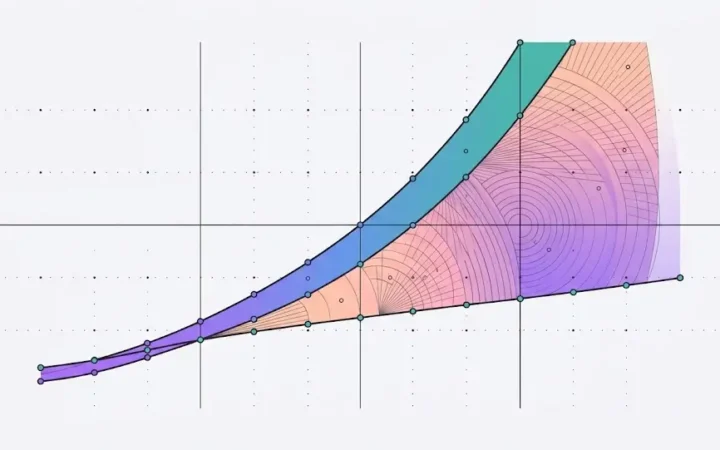
How to Grow Your Dental Group Without Growing the Overhead That Eats the Margin
Operational leverage — growing locations faster than the cost of running them — is the entire DSO investment thesis, and traditionally overhead eats it location by location. Here's how to grow a dental group without growing overhead in proportion, by removing the costs that scale with location count at the architectural level.
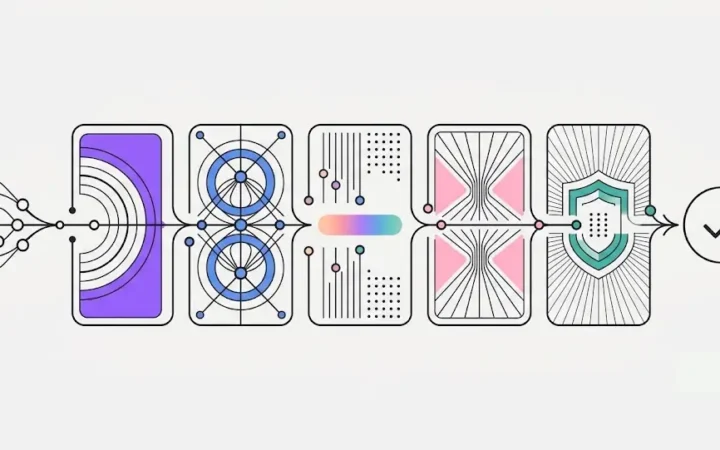
Can You Actually Defend Your AI to Your Board?
A solo practice adopts a tool because the owner likes it; a DSO has to defend it to a board, a sponsor, and a compliance function. Here's why "fully autonomous" AI fails that test — and the bounded, governed, auditable, scoped, and private posture that actually clears the bar.
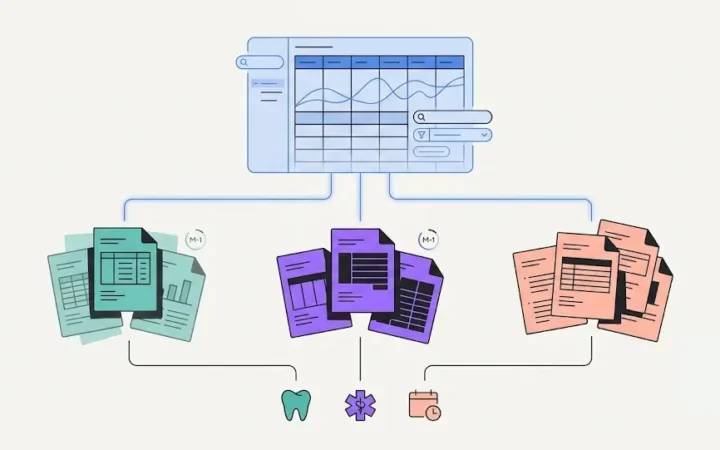
Stop Managing Your Group on Month-Old Numbers
A DSO operator running fifty locations gets the picture in hand-assembled, month-old roll-ups pulled from systems that don't talk to each other. Here's how to get real-time visibility across a mixed-PMS group — one current view, asked and answered, without forcing anyone onto the same software.

Your Next Acquisition Can Run Your Playbook on Day One — Whatever PMS It’s On
Every acquisition is an integration project, and the practice you just bought is on a different PMS than the rest of your group. Here's why your operating standard never actually depended on the software — and how a new acquisition can run your playbook on day one, whatever PMS it's on, without a migration.
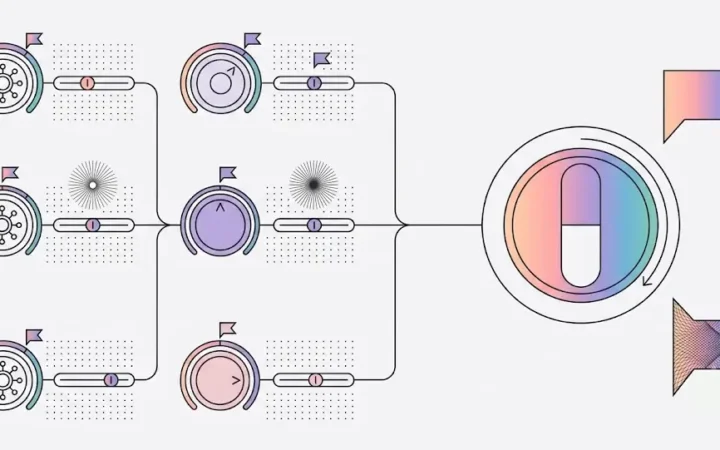
You Promised the Dentist His Autonomy. You Also Need Consistency. You Can Actually Have Both.
You promised the selling dentist he could run it his way; you also need group consistency. Most software forces you to pick one. Here's why the standardize-versus-autonomy fight was never a real binary — if your system can set precedence decision by decision instead of once for the whole relationship.
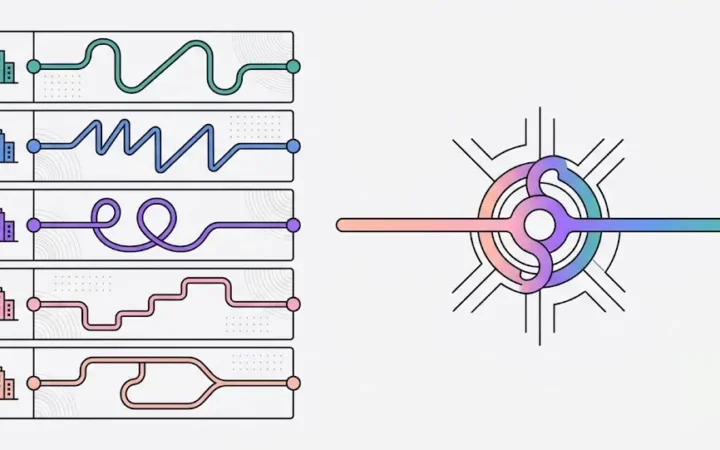
Why Every One of Your Locations Quietly Runs Differently — and What That Variance Costs
The premise of a DSO is standardization — and it's the thing DSOs are worst at, because process lives in habit, not in a system. Here's what that variance quietly costs across a group, and why a binder never fixes it but the system applying the standard does.