
PMS Integration
PMS Integration
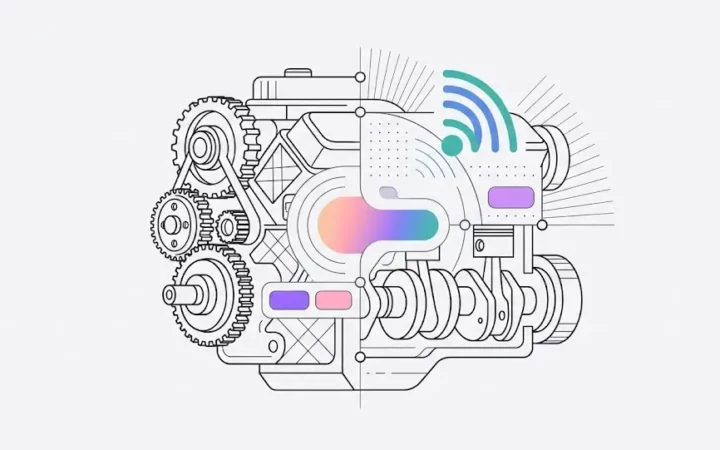
You Don’t Have to Replace Your PMS. You Just Have to Give It a Voice.
Your PMS is powerful, proven, and you still dread opening it — five clicks and three filters deep for a simple answer. You don't have to replace it. Here's the third option: a conversational layer on top of your dental PMS that lets you just ask, in plain language, without a migration.
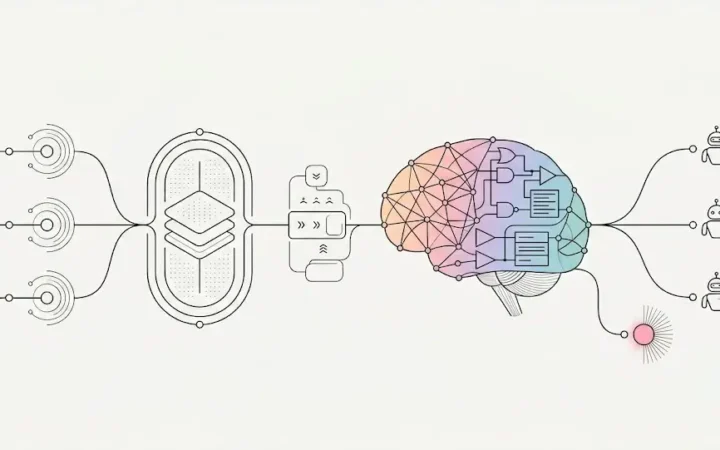
Under the Hood: The Engineering Behind the Practice Brain, for Technical Evaluators
Most "AI for dentistry" pitches give a technical evaluator nothing to evaluate. This is the opposite: the engineering behind ELVA's Practice Brain — neural-symbolic core, multi-agent shared memory, two-source knowledge acquisition, scoped-precedence governance, tiered PMS integration, and the security model — with every limit stated plainly.
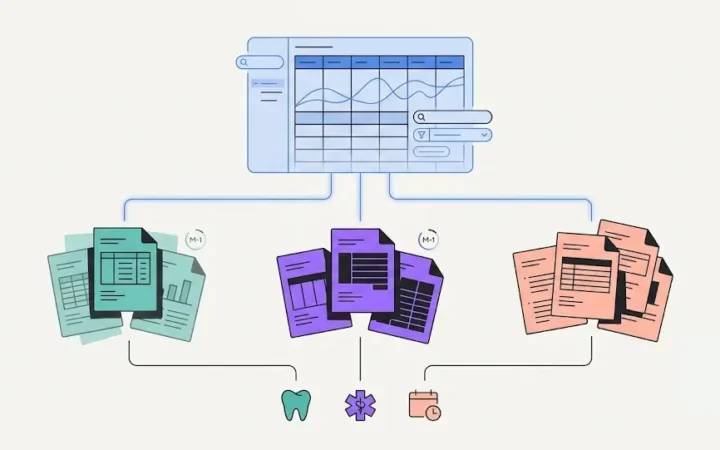
Stop Managing Your Group on Month-Old Numbers
A DSO operator running fifty locations gets the picture in hand-assembled, month-old roll-ups pulled from systems that don't talk to each other. Here's how to get real-time visibility across a mixed-PMS group — one current view, asked and answered, without forcing anyone onto the same software.
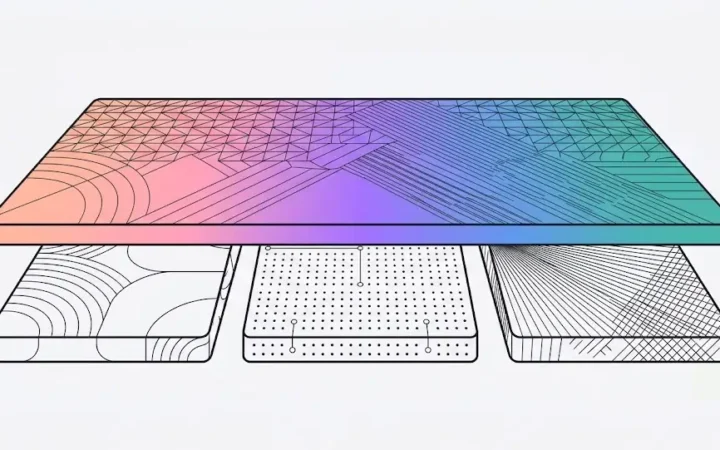
Your Next Acquisition Can Run Your Playbook on Day One — Whatever PMS It’s On
Every acquisition is an integration project, and the practice you just bought is on a different PMS than the rest of your group. Here's why your operating standard never actually depended on the software — and how a new acquisition can run your playbook on day one, whatever PMS it's on, without a migration.
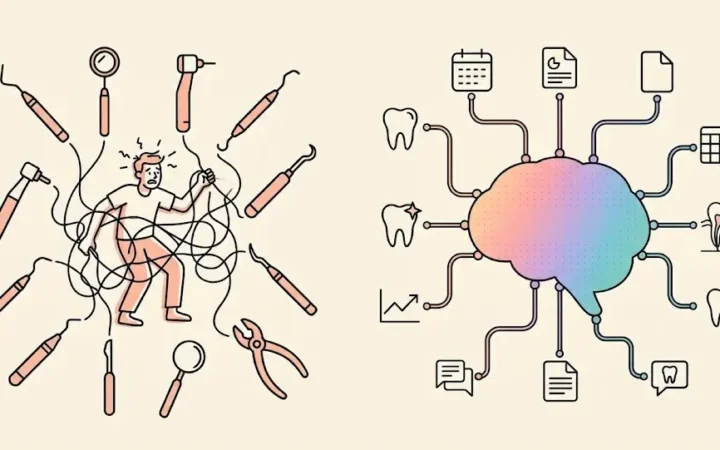
Your Practice Runs on Ten Disconnected Tools. Here’s the Unified Dental Practice Software That Finally Replaces Them.
Your practice logs into ten tools a day, and your staff are the glue between them — which is where revenue and time quietly leak. Unified dental practice software replaces the glue with one shared brain: the operating system your whole practice runs on, not another tab.
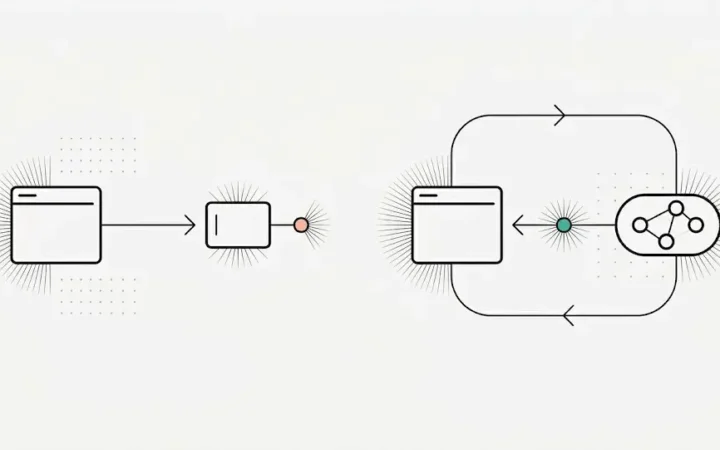
Read-Only Dental AI Is Where Automation Goes to Die: The Case for Bi-Directional Write-Back
Most dental AI can see your data but can't touch it — it surfaces an insight, then leaves the work to your staff. That's read-only dental AI, and it's where automation quietly dies. Here's the case for bi-directional write-back, paired with data you actually control.